I was talking to someone the other day about how there are fancy labels like ‘upcycling’ and ‘circularity’ to describe things that have been a part of Asian cultures for many generations. Often sustainable practices come with an image of price premium or costly implementation processes. However, there is much to learn from Asian sustainable practices that are value driven. This piece features three examples.
The Royal Dansk biscuit tin sewing kit
Many Asians have nostalgic memories of some relative storing sewing kits in Royal Dansk biscuit tins despite never having tasted the actual biscuits. Although this specific brand can’t be found at Woolies or Coles in Australia, the tins have immigrated here. This became a popular topic in Reddit around 2019. Upon hours of trolling the internet, the precise origin of this cultural phenomenon remains a mystery.
It’s not just these tins though. Habits of reusing jam jars as spice and snack holders, Nivea tins as jewellery boxes and plastic containers of Tip Top ice cream and Logical margarine as cheap alternatives of Sistema spans across different cultures in Australia.
Asian economies have faced cost-of-living crises due to war, recession, and inflation more frequently than Western markets. These practices are rooted in a “mending mindset” where recycling and reusing were essential. They teach the value of buying less, owning less, and repurposing items before disposal. For brands, these practices offer rich insights on how packaging and its reusability can make logos last longer and be more meaningful in households.
Chinese soups
Western markets have Sunday roasts, cultures with Chinese influence have Sunday soups. At the end of the week, left over items would be used to create soups as side dishes. These soups not only extend the life of an ingredient but also come with various health benefits. There are two things to learn from Sunday soups
- Using all parts of the ingredient – These soups make use of all leftovers – from prawn shells for umami to bones for collagen and flavour, and different parts of an animal like liver that are not used during the week. Even items like winter melon skins can be fried or mashed into other ingredients. This practice reduces waste and stretches ingredients over more meals, saving costs for large families.
- Extracting every drop of nutrients – Items like bones, bone marrow, shells, cartilage, and the skins of fruits and vegetables contain concentrated nutrients. Utilizing every bit means less need for supplementation of nutrients often lacking in modern diets e.g. calcium, follate, specific types of salts, retinoids etc. Left overs such as skins and peels are also used to create beauty solutions such as masks for anti inflammation, acne, brightening and skin longevity.
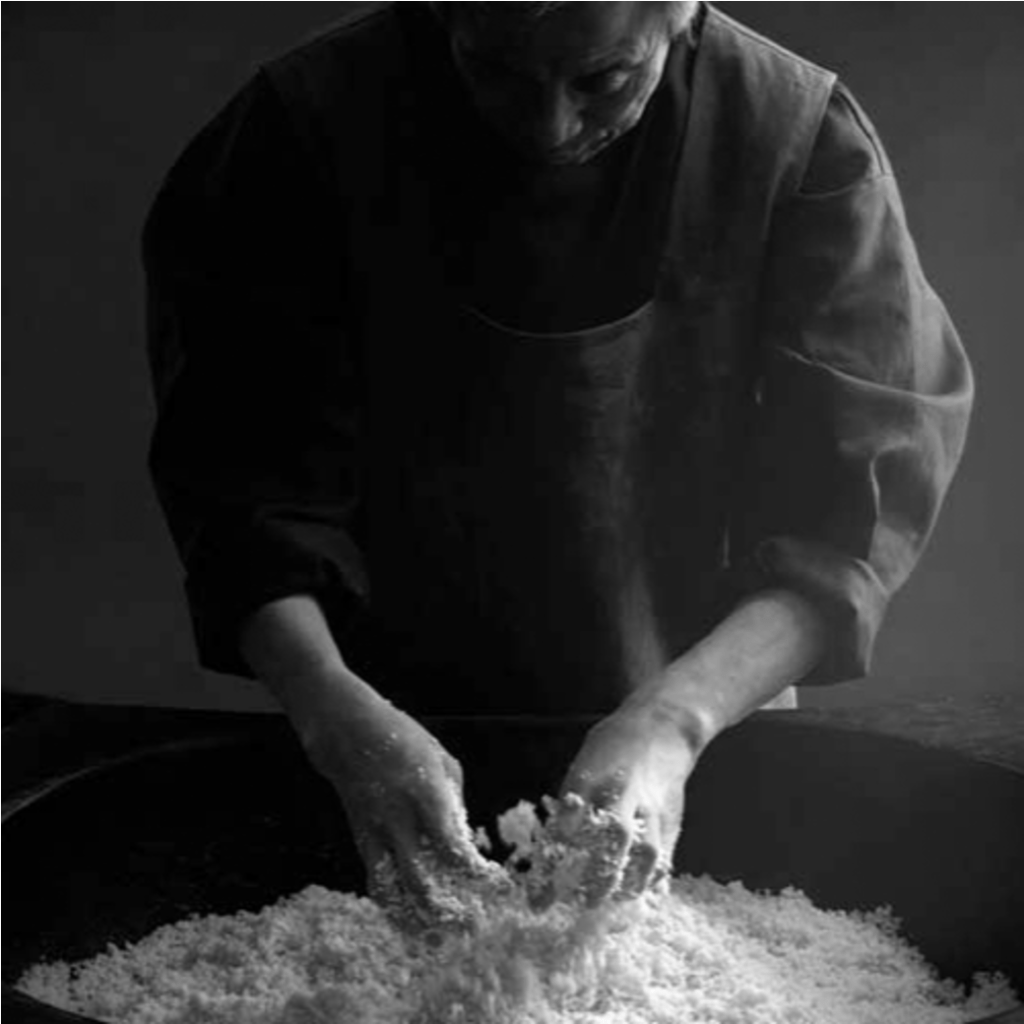
More thoughtful and efficient use of ingredients provide inpsiration on value driven product innovations such as affordable, fortified food and beverages. They can also be used inspiration for premiumising products such as SK II’s Pitera (featured in image). Embracing these methods not only encourages sustainability but also paves the way for healthier, nutrient rich and more cost-effective solutions.
Living off the land
I have never known a family home without a garden. Even in the smallest apartments, we always found spaces to grow food. We never used formal composts or expensive fertilizers from Bunnings. Instead, we reused kitchen waste like eggshells and citrus peels to feed the soil and keep pests away, tea leaves to enrich the soil, and rice and lentil water as fertilizers. In the name of to extracting every drop of nutrient from ingredients, we would also soak ginger, garlic, and onion skins in water for the garden. These practices were taught to me during times of economic hardship but have remained as important lessons in my family across generations as we climbed the economic ladder.
I often hear pushback on circular practices with the comment that, although cost-saving in the long run, setting up systems initially can be a huge expense. However, observing the behaviour of Asian people at the bottom of the economic pyramid might uncover other cost-effective alternatives for establishing circular practices.
 The Asian Agenda
Leave a comment